3D People: Elevating Modern Graphic Design
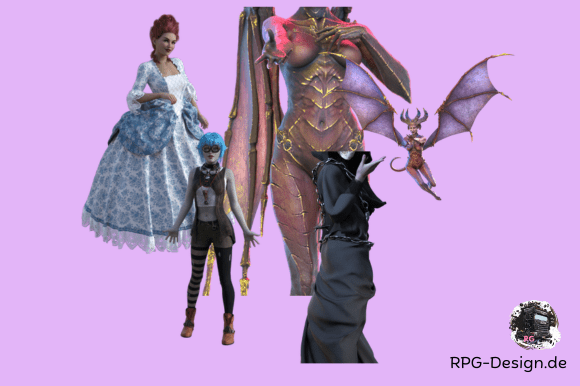
In the ever-evolving landscape of graphic design, 3D People have emerged as a powerful tool for creating dynamic and engaging visuals. These lifelike, three-dimensional figures add depth and realism to a wide range of creative projects, from branding and marketing materials to web and UI design. By incorporating 3D People, designers can bring a new level of sophistication and visual interest to their work, making it stand out in a crowded digital space.
Why 3D People Matter in Graphic Design
3D People are not just visually appealing; they also serve a functional purpose in modern design. They help in:
- Enhancing Visual Communication: 3D People can convey complex ideas and emotions more effectively than flat, two-dimensional images. This makes them ideal for storytelling and conveying brand messages.
- Strengthening Brand Identity: Custom 3D characters can become a unique and recognizable part of a brand's visual identity, setting it apart from competitors.
- Improving User Engagement: Interactive and realistic 3D elements can captivate and engage users, leading to higher interaction rates and better user experiences.
Branding and Logo Design
Incorporating 3D People into logos and branding can create a memorable and distinctive look. For example, a tech company might use a 3D figure to symbolize innovation and forward-thinking, while a fitness brand could use an athletic 3D character to represent strength and vitality.
Marketing Materials
From brochures and flyers to billboards and posters, 3D People can make marketing materials more engaging and relatable. A 3D character can be used to demonstrate product features, show real-life scenarios, or simply add a human touch to the design.
Social Media Content
On platforms like Instagram, Facebook, and Twitter, 3D People can help brands stand out in a sea of static images. Animated 3D characters can be used in social media posts, stories, and ads to grab attention and drive engagement.
Website and UI Design
3D People can enhance the user experience on websites and applications by adding a layer of interactivity and realism. For instance, a 3D avatar can guide users through a website, or 3D illustrations can be used to explain complex concepts in a more intuitive way.
Editorial Layouts
In magazines, books, and other print publications, 3D People can be used to create visually striking layouts. They can be integrated into infographics, illustrations, and other visual elements to make the content more engaging and informative.
Packaging Design
3D People can be a key element in packaging design, helping to tell a story about the product and its benefits. For example, a food brand might use 3D characters to illustrate the joy of eating their products, or a beauty brand could use 3D models to showcase the effects of their skincare line.
Advertising Campaigns
3D People can be a powerful asset in advertising campaigns, whether in print, online, or on television. They can be used to create compelling narratives, highlight product features, and connect with the target audience on an emotional level.
Presentations
In business presentations, 3D People can be used to add a professional and polished look. They can help to visualize data, explain processes, and make the presentation more engaging and memorable.
Merchandise
3D People can also be used in the design of merchandise such as t-shirts, mugs, and stickers. These items can feature 3D characters that align with the brand's identity, making them both functional and promotional.
Digital Products
For digital products like apps and games, 3D People can be used to create immersive and interactive experiences. Characters can be designed to interact with users, providing guidance, feedback, and entertainment.
Tips for Selecting and Using 3D People
When incorporating 3D People into your designs, consider the following tips to ensure they are effective and impactful:
- Consistency: Ensure that the 3D People you use are consistent with your brand's overall style and tone. This helps to maintain a cohesive and professional look.
- Readability: Make sure that the 3D elements do not overwhelm the design. They should complement the content and not distract from the message.
- Scalability: Use high-quality 3D assets that can be scaled up or down without losing detail. This is especially important for digital designs that may be viewed on various devices.
- Visual Hierarchy: Place 3D People strategically to guide the viewer's eye and emphasize key information. This helps to create a clear and organized layout.
- Audience Expectations: Consider the preferences and expectations of your target audience. The 3D People you choose should resonate with and appeal to them.
- Design Goals: Align the use of 3D People with your specific design goals. Whether you want to inform, entertain, or persuade, the 3D elements should support these objectives.
- Compatibility: Ensure that the 3D People you use are compatible with your existing brand systems, including color palettes, typography, and other design elements.
By thoughtfully integrating 3D People into your designs, you can create visually stunning and highly effective creative projects. Whether you're working on a branding campaign, a website, or a marketing material, 3D People can help you achieve a professional and polished result that resonates with your audience. Embrace the power of 3D design to take your creativity to the next level and make a lasting impact.