3D Printer with Cube Object Printing: A Practical Guide to Integration and Use
Understanding 3D Printing with Cube Objects
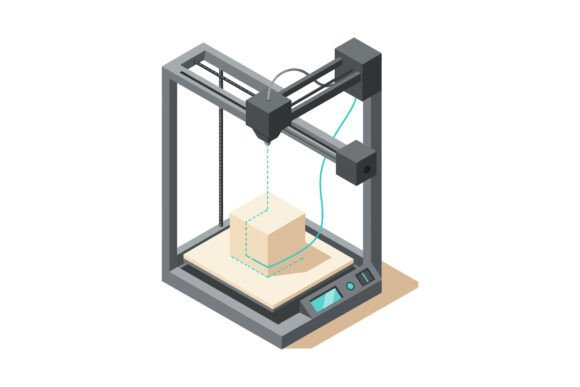
3D printing, also known as additive manufacturing, has revolutionized the way we create physical objects. One of the simplest yet most illustrative examples of this technology is the 3D printer with cube object printing. This process involves a 3D printer actively creating a beige cube on its platform using precise printing lines, showcasing the innovation and precision of modern 3D printing in a clean, minimal setting.
The Role of 3D Printing in Your Workflow
Integrating 3D printing into your workflow can significantly enhance your ability to prototype, test, and produce custom parts or models. Whether you are a professional, creator, entrepreneur, or hobbyist, 3D printing with cube objects can be a valuable tool in your arsenal.
Pre-Project Planning
Before embarking on a 3D printing project, it's essential to plan effectively. Consider the following steps:
- Define the Purpose: Determine why you need the 3D printed cube. Is it for a prototype, a functional part, or an educational model?
- Select the Right Material: Choose the appropriate material for your cube. For a clean, minimal look, a beige PLA (polylactic acid) filament is often ideal.
- Design the Model: Use 3D modeling software like Tinkercad or Fusion 360 to design your cube. Ensure the dimensions and specifications meet your requirements.
During the Project
Once your design is ready, it's time to print. Here’s how to ensure a smooth printing process:
- Prepare the 3D Printer: Clean the print bed, load the filament, and calibrate the printer if necessary.
- Slice the Model: Use slicing software like Cura or Simplify3D to convert your 3D model into G-code, which the printer can understand.
- Start the Print: Load the G-code onto the 3D printer and start the printing process. Monitor the print to ensure there are no issues.
Post-Printing Considerations
After the cube is printed, several post-processing steps can enhance the final product:
- Remove Supports: If your design included supports, carefully remove them using tools like a craft knife or pliers.
- Surface Finishing: Sand the cube to smooth out any rough edges or imperfections. You can also apply a coat of paint or varnish for a more polished look.
- Quality Check: Inspect the cube for any defects or inconsistencies. Make sure it meets the intended purpose and quality standards.
Integrating 3D Printed Cubes into Your Workflows
3D printed cubes can be integrated into various workflows, depending on your specific needs. Here are some practical examples:
Educational Use
In an educational setting, 3D printed cubes can be used to teach geometry, spatial reasoning, and basic 3D printing concepts. Students can design and print their own cubes, gaining hands-on experience with 3D modeling and printing.
Product Development
For product developers, 3D printed cubes can serve as prototypes for new products. They can be used to test form, fit, and function before moving to more complex designs. This iterative process helps in refining the final product and reducing development costs.
Art and Design
Artists and designers can use 3D printed cubes as building blocks for larger installations or as standalone art pieces. The clean, minimal aesthetic of the beige cube can complement a wide range of artistic styles and themes.
Practical Tips for Long-Term Use
To make the most of your 3D printer with cube object printing, consider the following tips:
- Maintain Your Printer: Regularly clean and maintain your 3D printer to ensure consistent and high-quality prints. This includes cleaning the print bed, checking the extruder, and replacing worn parts.
- Stay Updated: Keep up with the latest 3D printing technologies and materials. This will help you stay innovative and competitive in your field.
- Document Your Process: Document each step of your 3D printing process, from design to post-processing. This documentation can be a valuable resource for future projects and for sharing knowledge with others.
Conclusion
3D printing with cube objects is a versatile and powerful tool that can be seamlessly integrated into various workflows. By understanding the pre-project planning, during-project execution, and post-printing considerations, you can effectively use 3D printed cubes in education, product development, and art. With proper maintenance and continuous learning, 3D printing can become a reliable and innovative part of your creative and professional processes.